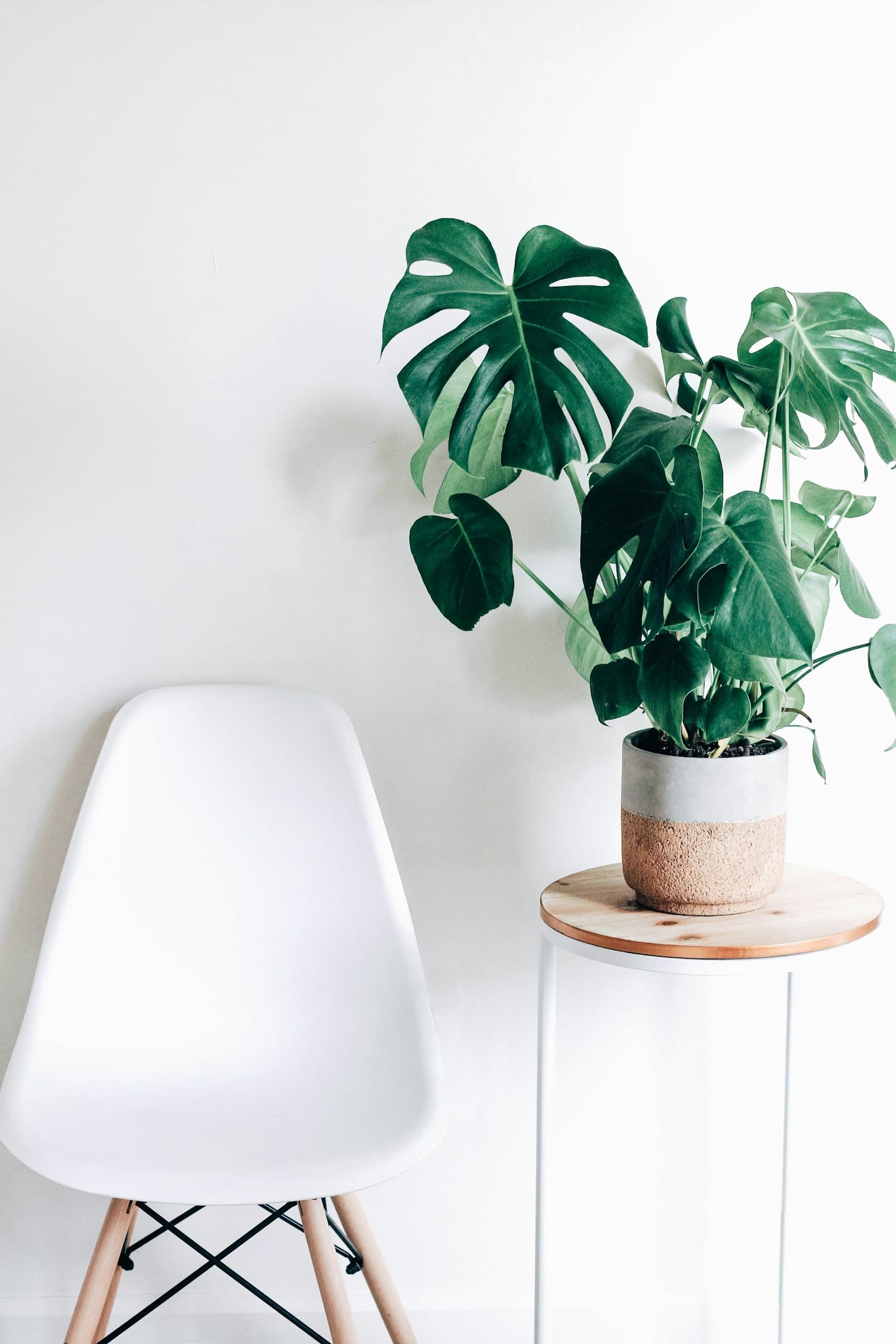
If your houseplants spent the summer on a balcony, patio or in the garden, they need to come back inside before night temperatures drop below about 12–13°C. For most of the UK that means the last week of September, earlier in the north.
Almost every plant reacts to the move by dropping a few leaves. That is a normal response to a sudden change in light and humidity — not a sign the plant is dying. You can avoid most of it by moving them properly.
Why plants drop leaves when they come indoors
Outdoors in summer a plant might get 10,000–20,000 lux of light. A bright windowsill indoors gives maybe 1,000–2,000. The plant has built summer leaves tuned to strong light; indoors those leaves are suddenly inefficient, so the plant sheds them and grows smaller "shade" leaves instead.
On top of that, indoor air is drier, airflow is lower, and the temperature is more constant. The plant has to re-acclimate to all of it at once.
Move them over two weeks, not one afternoon
Acclimatisation is the single biggest thing you can do.
- Days 1–3: move the plant to the shadiest outdoor spot you have, or just inside an open door.
- Days 4–7: bring it indoors but right against your brightest window.
- Week 2: move it to its final position for winter.
Doing this gradually lets the plant adjust its leaves in stages instead of losing them all at once. If a cold snap is forecast, bring everything in immediately and accept a bit more leaf drop — cold damage is worse.
Check every plant for pests before it comes in
This is the step people skip and regret. Outdoor plants pick up passengers, and a warm living room is the perfect place for an infestation to explode over winter.
For each plant:
- Inspect both sides of the leaves, leaf joints and the growing tip for aphids, mealybug (white fluff), scale (brown bumps) and spider mite (fine webbing, stippled leaves).
- Check the soil surface and drainage holes for slugs, woodlice and ant nests.
- Sit the pot in a bucket of lukewarm water for 15–20 minutes to drive out anything living in the rootball, then let it drain fully.
- Give the whole plant a firm spray with dilute insecticidal soap as a precaution, top and bottom of leaves.
Keep newly-moved plants a little apart from your established indoor plants for the first two weeks so anything you missed doesn't spread.
Adjust care for lower light straight away
The mistake now is caring for the plant like it's still July.
- Water less. Lower light means slower growth and slower drying. Check the top 3–5cm of soil and only water when it's dry — for many plants that drops from twice a week to once every 10–14 days.
- Stop feeding. Growth is winding down. Don't fertilise again until spring.
- Don't repot. Wait for March unless the plant is completely pot-bound.
- Keep them off radiators and cold draughts. A spot near a bright window but away from the heat source is ideal.
- Expect no new growth until late winter. Dormancy is fine.
What's normal and what isn't
Normal: a handful of older leaves yellowing and dropping over the first two to three weeks, then it stops.
Not normal: continued leaf drop after a month, mushy stems, sudden collapse, or visible pests. Continued drop usually means the final spot is too dark, too close to heat, or the plant is now being overwatered for its lower light level.
Not sure if it's shock or something worse?
Take a photo of the plant and PlantMedic will tell you whether it's normal acclimatisation or a problem that needs action — with a confidence score and a step-by-step fix. Free, no account needed.